
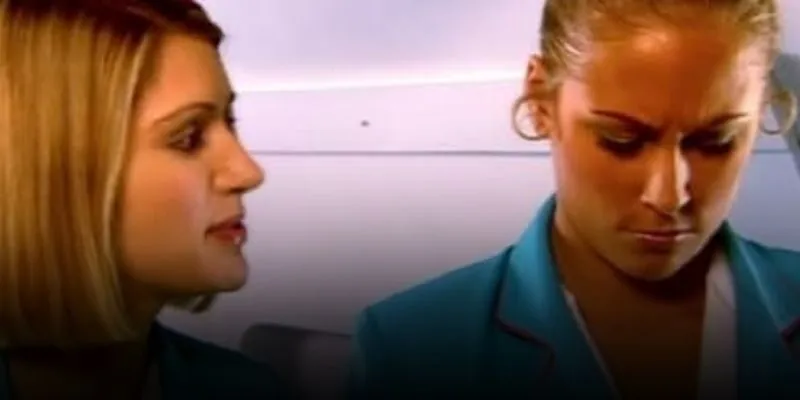
Mile High cast interviews should be read carefully because the public archive for this Sky1 drama is limited. The Mile High series ran from 2003 to 2005 and followed the cabin crew of Fresh!, a fictional airline. Cast records are easier to verify than long-form interview footage, especially for older cable television. This guide explains what fans can responsibly learn from available interview traces, production comments, and performer context. It also avoids turning missing archive material into invented quotes or false reunion stories.
Highlights from Mile High cast interviews and archive notes
Public interview material around Mile High is not as complete as modern streaming publicity. Current records show cast pages, photo calls, episode guides, fan discussion, and scattered individual interview pages. Creator Jane Hewland’s later comments are more visible than a complete official cast talkshow archive. That means any article about interviews should separate verified material from reasonable interpretation. A careful archive can still reveal how the show was shaped, even when full video panels are unavailable.

Acting as cabin crew and finding the Fresh! rhythm
A careful reading of Mile High cast interviews should begin with the demands of playing cabin crew. Actors had to make Fresh! look glamorous while also showing fatigue, gossip, panic, and poor decisions. The roles required quick shifts between comic embarrassment, adult drama, passenger trouble, and workplace authority. Even without a large official interview library, the performances show how the cast built a fast ensemble rhythm.
Behind the scenes memories and awkward filming energy
The most believable behind the scenes angle comes from the show’s structure. Mile High used aircraft spaces, airport sets, crew flats, bars, and Spanish locations to create constant movement. Those settings naturally produced scenes that could feel crowded, loud, intimate, and logistically difficult. Mile High cast interviews are valuable when they help fans understand how such spaces shaped timing, chemistry, and comedy.
Production pressure and the dense filming schedule
Production pressure is one of the clearest documented topics around the show. Jane Hewland later discussed how demanding the schedule became, especially during a large run of episodes. The series is commonly listed at 39 episodes, with Season 1 carrying 13 and the later phase carrying a much larger load. Mile High cast interviews should connect that pressure to the show’s pace, because the screen energy reflects a production built for speed.
Real life bonds and ensemble chemistry after filming
The show’s on-screen chemistry depends on group friction rather than one heroic lead. Emma Ferguson, Sarah Manners, James Redmond, Jo-Anne Knowles, Naomi Ryan, Tom Wisdom, Adam Sinclair, and later cast members each carried different tones. The drama needed flirtation, rivalry, authority, panic, and comic timing within the same workplace. Interview resources become useful when they explain how actors created that crowded Fresh! atmosphere. The most reliable reading should stay close to the work itself, not speculate too far into private life.

Friendships and cast closeness beyond the camera
Fans often want Mile High cast interviews to confirm whether the actors were close outside filming. Public sources do not provide enough verified detail to map every private friendship. A safer reading is to focus on professional chemistry visible in repeated scenes, especially crew-house arguments and cabin exchanges. The cast’s comfort with fast dialogue and physical proximity suggests coordination, but private relationships should not be invented.
Building believable chemistry on screen
The ensemble works because characters rarely interact in only one emotional register. Janis can be strict and funny, Marco can be charming and insecure, and Will can be irritating yet strangely sympathetic. Emma, K.C., Jason, and Lehann also bring contrasting reactions to romance, duty, and embarrassment. Mile High cast interviews would be most useful when they explain rehearsal, blocking, and how performers managed those quick tonal shifts.
Farewell emotions and the end of the series
The farewell period is important because the series ended shortly after its 2005 finale. Public summaries say Sky1 did not continue with another series, while creator comments describe creative exhaustion and changing channel priorities. That context makes any final interview material feel more significant, even when complete talkshow footage is hard to locate. Mile High cast interviews around the ending should be treated as archival fragments, not a polished modern press campaign.
Fan response to talkshows and interview material
Fans respond strongly to interview material because Mile High still feels like a hidden early-2000s memory. Digital discussion often mentions the cast, Fresh! uniforms, Janis’s authority, Marco’s charm, and the show’s chaotic adult tone. When viewers find an old clip, photo call, or written interview, it can feel more valuable than normal publicity. Mile High cast interviews therefore serve as nostalgia objects as much as information sources. The scarcity also explains why small fragments still attract attention from returning viewers.
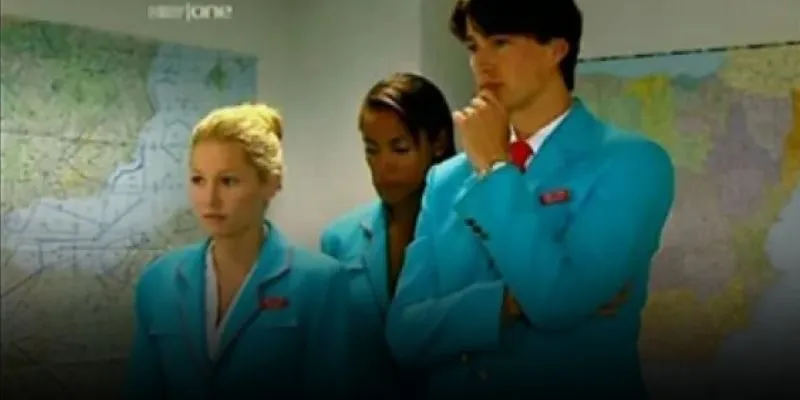
The fan reaction is shaped by scarcity, caution, and emotional memory. Modern shows release podcasts, panels, vertical clips, and official social edits, but Mile High came from a different media era. That gap can encourage exaggerated claims, so a reliable archive should mark the source, date, platform, and official status. Mile High cast interviews should never be padded with fake quotes, invented reunion stories, or unsupported claims about cast friendships. The strongest fan resource combines cast records, creator context, episode evidence, and viewer memory without pretending every answer is available.
Conclusion
Mile High cast interviews remain useful because they help fans connect the Fresh! crew to the real performers behind the uniforms. The archive is scattered, so the strongest approach is to avoid fake certainty and collect verified material slowly. Cast pages, photo calls, creator comments, episode listings, and rare interview traces can still build a meaningful picture. That picture shows a hardworking ensemble inside a fast, messy, and distinctive Sky1 drama.