
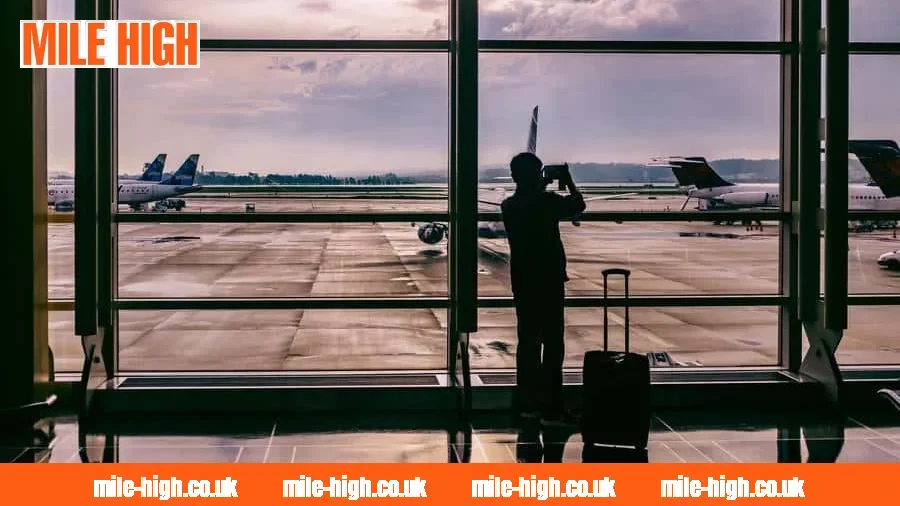
Airport Scenes offer a fascinating glimpse into the many moments that unfold inside terminals every day. From travelers rushing toward departure gates to families waiting for arrivals, each scene reflects a different side of modern air travel. Looking closer at these ordinary yet memorable situations reveals the movement, emotions, and human connections that make airports such dynamic places.
Understanding the Key Elements of Airport Scenes
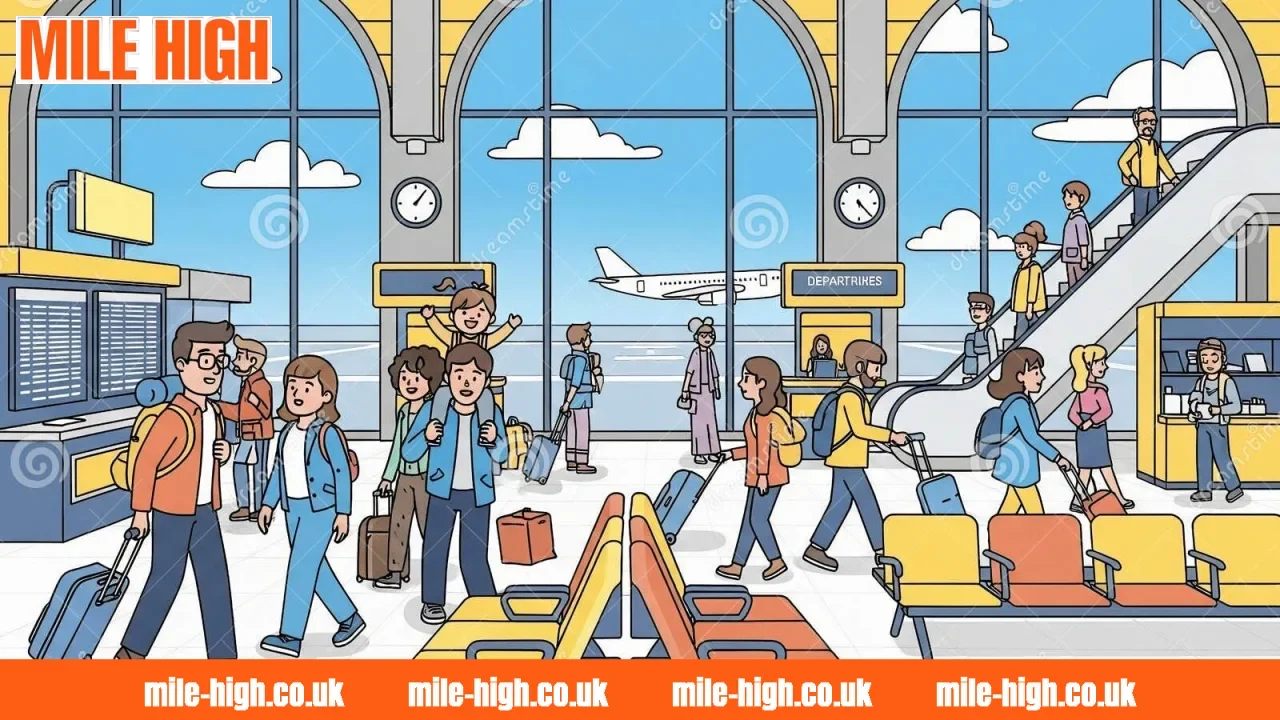
A convincing airport scene is built from many small details that work together to create a recognizable sense of place. From the architecture surrounding passengers to the constant movement across terminals, airport scenes can communicate the rhythm of air travel without needing much explanation. Three elements are particularly useful for understanding what makes these environments feel authentic and visually distinctive.
Terminal Architecture and Interior Design
Terminal architecture gives airport scenes their visual foundation, with large open halls, high ceilings, expansive windows, check-in counters, security areas, and waiting zones commonly shaping the environment. Modern airports often use extensive glass surfaces and spacious layouts to maximize natural light while helping passengers navigate large facilities.
Interior design also reflects practical requirements rather than decoration alone. Seating arrangements, information screens, retail areas, lighting, and flooring are positioned around passenger flow, creating an environment where functionality and visual identity need to coexist.
| Element | Role in an Airport Environment |
|---|---|
| High ceilings | Creates an open and spacious atmosphere |
| Large windows | Brings in natural light and connects interiors with the outside |
| Seating areas | Provides space for passengers between travel stages |
| Information displays | Communicates flight and operational updates |
| Retail and dining zones | Adds convenience while increasing activity within terminals |
Passenger Movement and Everyday Activities
People are what give airport scenes their constantly changing energy. A terminal can shift from relatively calm to intensely busy within minutes as passengers arrive for check-in, move through security, search for gates, or gather around boarding areas.
Common activities include:
- Checking flight information and departure times.
- Moving luggage through check-in and security areas.
- Waiting, eating, shopping, or working before departure.
- Boarding aircraft when gates are called.
- Meeting friends or family members after arrivals.
- Adjusting plans when flights are delayed or gates change.
Signs, Gates, and Other Recognizable Details
Clear signage is one of the easiest ways to make airport scenes immediately identifiable. Gate numbers, directional arrows, baggage-claim signs, security notices, airline counters, departure boards, and boarding passes all provide visual clues that tell viewers where the scene is taking place.
Small details can also add realism and context. Digital flight displays may show destinations, departure times, gate assignments, or delays, while recognizable elements such as luggage carts, boarding areas, escalators, and security lanes reinforce the setting. Together, these features turn an ordinary terminal into a scene that audiences can instantly associate with the experience of air travel.
Airport Scenes Across Different Times and Situations
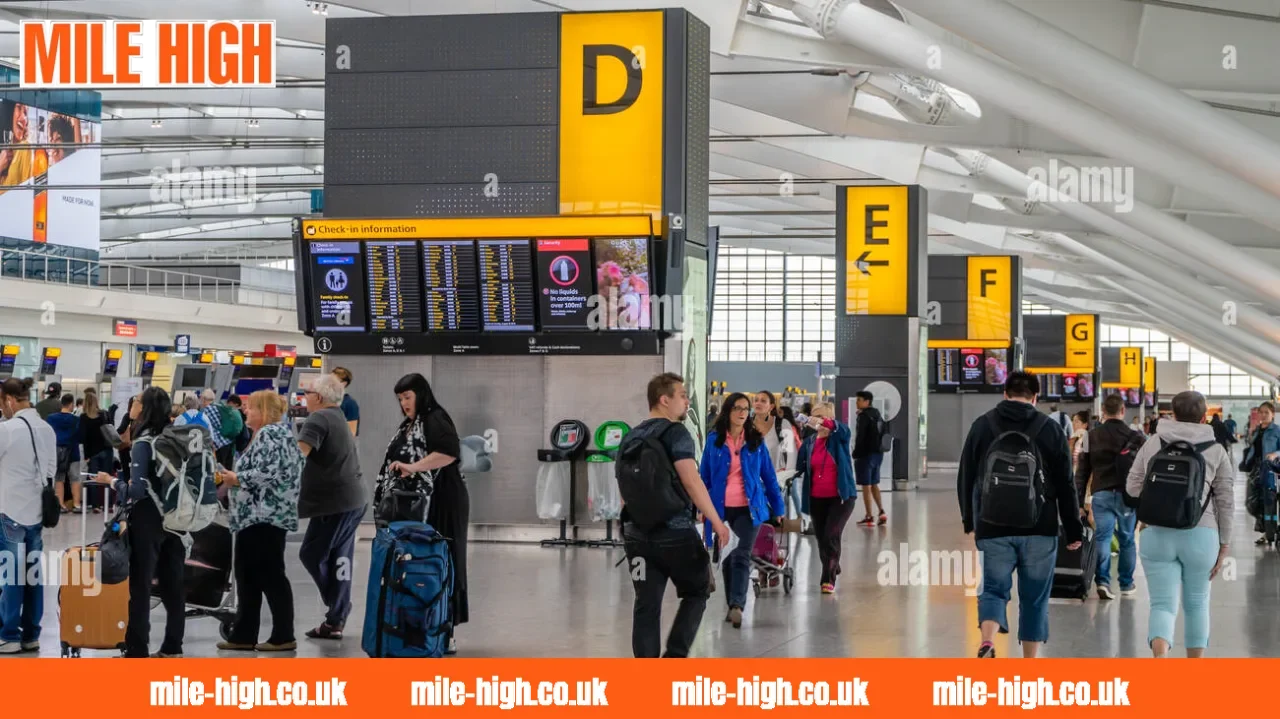
The atmosphere inside an airport can change dramatically depending on the hour, passenger volume, and circumstances surrounding a flight. Airport scenes during a holiday rush can feel completely different from those captured before sunrise, while delays and unexpected events can introduce another layer of tension and movement. These contrasts make airport environments particularly dynamic, with each situation creating its own visual rhythm.
Busy Terminals During Peak Travel Hours
During peak periods, airport scenes are often defined by dense passenger flows, crowded check-in areas, long security queues, and constant announcements. Major travel periods such as summer holidays, Thanksgiving, Christmas, and New Year can bring significant increases in passenger traffic, requiring airports to manage large numbers of travelers within limited time windows.
The busiest areas typically include departure halls, security checkpoints, immigration facilities, and boarding gates. Passengers may be checking luggage, monitoring departure boards, looking for their gates, or moving quickly between different sections of the terminal. With luggage carts, digital displays, airline counters, and retail spaces all operating at once, the result is an energetic environment that captures the fast-paced side of modern travel.
Quiet Airports During Early Morning and Late Night
Early mornings and late nights create a noticeably different atmosphere. Airport scenes during these periods may feature sparsely populated waiting areas, dimmer lighting, cleaning crews, and travelers quietly resting before an early departure. Instead of the constant movement associated with daytime operations, these moments tend to feel slower and more subdued.
The contrast can be particularly striking in large international terminals, where expansive spaces remain open even when passenger numbers are relatively low. A few travelers sitting near a gate, an almost empty departure hall, or aircraft visible through large windows can create a calm atmosphere that feels almost cinematic. The “Mile High” identity associated with Denver, for instance, can take on a completely different mood when viewed through a quiet airport setting rather than a crowded travel period.
Weather Delays, Crowds, and Unexpected Travel Moments
Weather disruptions can quickly transform airport scenes from routine travel environments into places filled with uncertainty. Heavy snow, thunderstorms, strong winds, or dense fog may lead to delays, cancellations, gate changes, and passengers waiting for updated information. In the United States, the FAA regularly reports nationwide flight delays and cancellations, illustrating how weather and operational issues can affect air travel at scale.
These situations also produce some of the most spontaneous moments in an airport, ranging from passengers reorganizing itineraries to families waiting together for updates. Although delays are rarely part of the original travel plan, they reveal another side of airport life: people adapting to circumstances that are outside their control while staff work to restore normal operations.
| Situation | Typical Atmosphere | Common Visual Details |
|---|---|---|
| Peak travel hours | Fast-paced and crowded | Queues, luggage, busy gates |
| Early morning | Quiet and subdued | Sparse seating, soft lighting |
| Late night | Calm but occasionally tense | Resting passengers, reduced activity |
| Weather disruption | Uncertain and unpredictable | Delay notices, crowded waiting areas |
| Gate changes | Urgent and fast-moving | Updated screens, passengers moving quickly |
What Airport Scenes Tell Us About Modern Air Travel

Airport scenes show that modern air travel is a blend of technology, efficiency, and human interaction. With global passenger traffic reaching billions of journeys each year, airports must balance high volumes with increasingly seamless services, from digital check-in to real-time flight updates.
At the same time, the human side remains impossible to automate completely. Waiting, rushing to gates, meeting loved ones, handling delays, and navigating unfamiliar terminals all create moments that make air travel feel personal. In that sense, airport scenes offer a snapshot of how modern aviation connects infrastructure with everyday human experiences.
Conclusion
Airport Scenes bring together far more than planes, terminals, and departure boards. The people moving through these spaces create countless moments shaped by anticipation, excitement, fatigue, reunions, and unexpected changes. Whether the terminal is packed during peak hours or unusually quiet before sunrise, these everyday scenes offer a relatable snapshot of how people experience air travel.